


Personalised treatments designed to fight cancer while minimising side effects.
Liver cancer occurs when malignant (cancerous) cells form in the tissues of the liver. The liver is one of the body’s most vital organs, responsible for detoxifying harmful substances, producing bile for digestion, and storing nutrients. Primary liver cancer begins in the liver itself (most commonly hepatocellular carcinoma), while secondary or metastatic liver cancer originates in another part of the body and spreads to the liver.


According to GLOBOCAN 2020, liver cancer is a serious health concern in Malaysia. It is the 8th most common cancer in men and accounts for a significant proportion of cancer-related deaths. In 2020, there were approximately 1,548 new cases and 1,426 deaths recorded in Malaysia. The high mortality reflects the tendency for liver cancer to be diagnosed at advanced stages, where curative treatment is often not possible. Chronic hepatitis B and C infections remain major contributing factors in the region.
In early stages, liver cancer may not cause symptoms. As the disease progresses, common symptoms include:
Diagnosis typically involves a combination of:


The most common type, arising from liver cells
Originates in the bile ducts
Rare forms of liver cancer

Liver cancer staging considers tumour size, spread within the liver, invasion into blood vessels, and spread to distant organs. Stages range from Stage I (localised) to Stage IV (advanced/metastatic).
Treatment options depend on the stage of disease, liver function, and overall health. They include:
Each treatment option has its own side effects. Surgery may carry risks such as bleeding and infection, while systemic therapies and chemotherapy can cause fatigue, diarrhoea, or skin reactions. Your doctor will discuss the risks and benefits of each treatment and tailor a plan to your needs.
At OncoCare Malaysia, our multidisciplinary team includes oncologists specialising in gastrointestinal and hepatobiliary cancers, liver surgeons experienced in advanced and minimally invasive procedures, radiation oncologists, radiologists, pathologists, oncology nurses, dietitians, and psycho-oncology counsellors. Together, they design an individualised treatment plan for every patient.
If you have risk factors or symptoms that may suggest liver cancer, seeking early consultation with our specialists is important. Timely diagnosis offers the best chance for effective treatment and improved outcomes.

Personalised treatments designed to fight cancer while minimising side effects.
Lymphoma is a cancer of the lymphatic system, an important part of the body’s immune system. The lymphatic system includes lymph nodes, spleen, thymus, and bone marrow, which help the body fight infections and filter harmful substances.
Lymphoma occurs when lymphocytes (a type of white blood cell) multiply uncontrollably, forming tumours in the lymph nodes or spreading to other parts of the body such as the chest, abdomen, or bone marrow.


According to GLOBOCAN 2020, lymphoma ranks among the top ten cancers in Malaysia. Non-Hodgkin lymphoma (NHL) is more common, while Hodgkin lymphoma (HL) is less frequent but often affects younger adults. Thousands of Malaysians are diagnosed with lymphoma each year, underscoring the need for early detection and timely treatment.
Lymphoma symptoms can be vague and sometimes mimic other conditions. Common signs include:
A thorough diagnosis ensures the right treatment plan. Investigations may include:
A precise diagnosis is essential to differentiate between Hodgkin and non-Hodgkin types, and between aggressive or indolent subtypes.

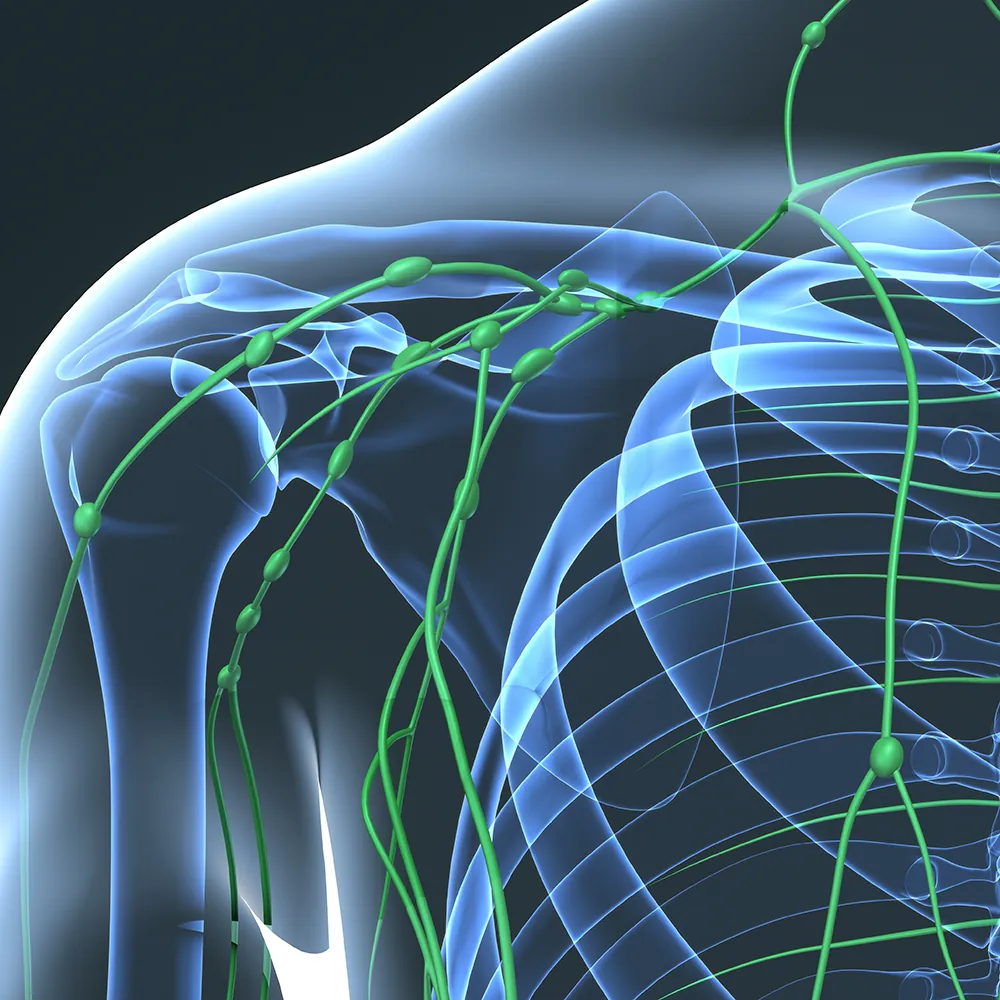
The exact cause is not fully understood, but risk factors include:
Not all patients with risk factors develop lymphoma. Many are diagnosed without any known risks.
Lymphomas are broadly divided into:
Characterised by Reed-Sternberg cells. Often occurs in young adults, and outcomes are generally good with modern treatment
Includes many subtypes. The two main groups are:

Staging describes how far the cancer has spread:
One lymph node region or single organ affected
Two or more lymph node regions on the same side of the diaphragm
Nodes on both sides of the diaphragm are involved
Widespread disease involving bone marrow, liver, lungs, or other organs
B symptoms (fever, night sweats, weight loss) may also be used to further classify the stage.
Treatment depends on the type, stage, and aggressiveness of the lymphoma. Options include:
With advances in treatment, many patients with lymphoma in Malaysia can achieve long-term remission, and some can be cured.
At OncoCare Malaysia, our multidisciplinary team brings together oncologists, haematologists, radiation oncologists, radiologists, pathologists, and specialised oncology nurses. Supported by allied health professionals in nutrition, physiotherapy, and psycho-oncology, we deliver comprehensive, personalised care for every lymphoma patient.

Personalised treatments designed to fight cancer while minimising side effects.
Lung cancer begins when abnormal cells grow uncontrollably in the lungs, forming a tumour. These cells can spread to other parts of the body if not detected and treated early. There are two main types: non-small cell lung cancer (NSCLC), which accounts for about 80–85% of cases, and small cell lung cancer (SCLC), which is less common but often more aggressive.


According to GLOBOCAN 2020, lung cancer is the third most common cancer in Malaysia and the leading cause of cancer deaths. It is more common in men, with smoking being the main risk factor, but non-smokers — especially women — are also at risk due to genetic and environmental factors such as second-hand smoke and air pollution.
Lung cancer symptoms can be subtle in early stages. Common warning signs include:
Early detection improves treatment outcomes. High-risk individuals — especially long-term smokers, people with a strong family history, or those exposed to occupational/environmental risks — may benefit from low-dose CT scans for early screening.

Includes adenocarcinoma, squamous cell carcinoma, and large cell carcinoma
Less common, grows and spreads faster, usually linked to smoking

Localised cancer confined to the lungs
Cancer has spread to nearby lymph nodes or chest structures
Advanced stage, cancer has spread to distant organs
(metastatic lung cancer)
Treatment depends on cancer type, stage, and genetic profile. Options include:
At OncoCare Malaysia, our oncologists are experienced in matching patients to precision therapies based on their tumour profile. We integrate advanced diagnostics, international guidelines, and cutting-edge treatments to provide care comparable to leading global cancer centres.
At OncoCare Malaysia, our multidisciplinary team includes oncologists, thoracic surgeons, radiation oncologists, radiologists, pathologists, oncology nurses, and allied health professionals such as nutritionists and counsellors. Together, they deliver comprehensive and personalised care, ensuring every patient receives the best possible treatment plan.


